
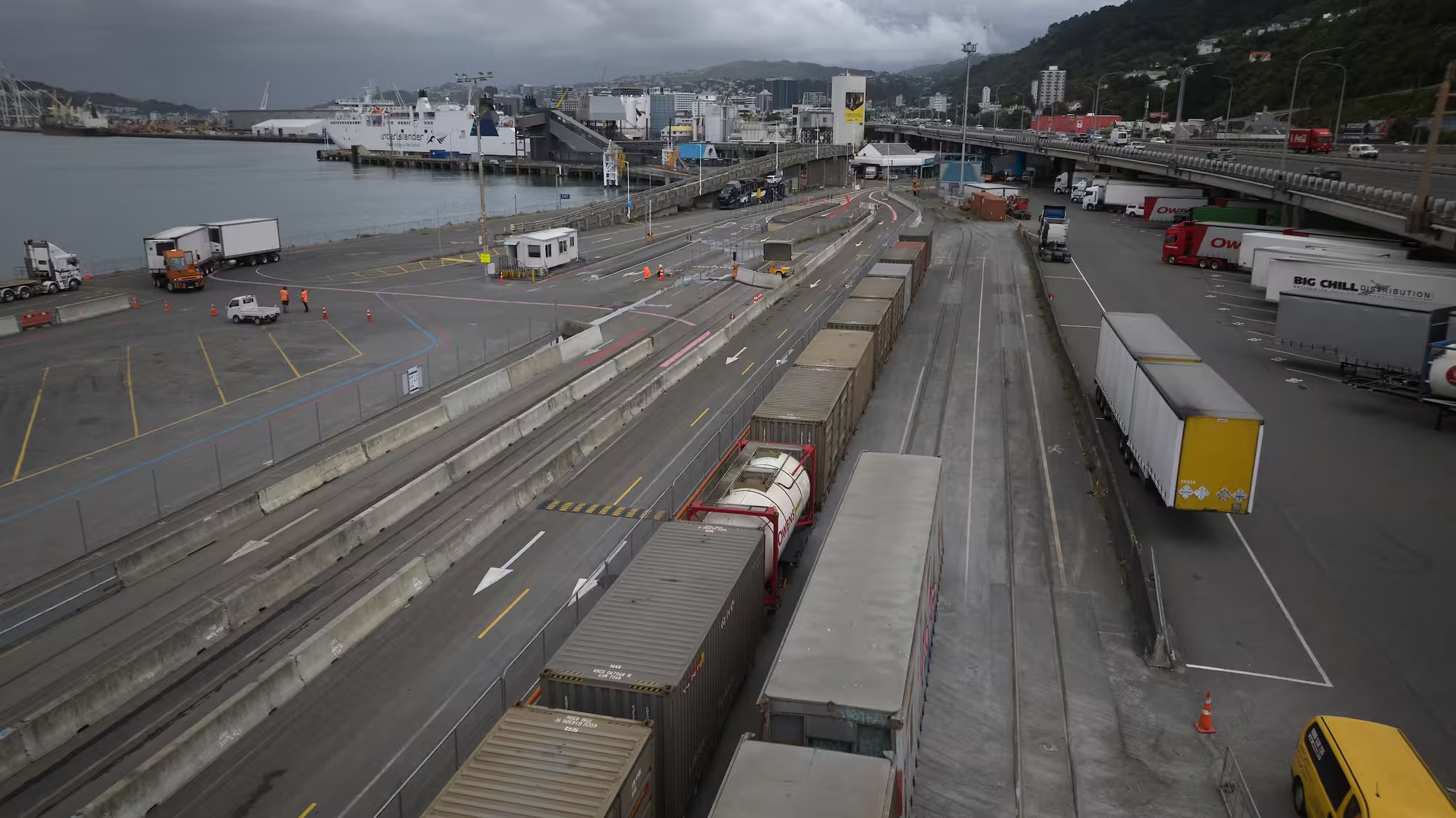
Ports infrastructure work programme

Our programme
Working with our key partners CentrePort, Port Marlborough and KiwiRail, we will deliver the port infrastructure and commissioning required to support ferry services across the Cook Strait.
This workstream will also consider the climate change and environmental impacts resulting from the infrastructure upgrades.
What we will deliver
Ferry Holdings, CentrePort, Port Marlborough and KiwiRail are working to maximise the reuse of existing port, rail and roading infrastructure, and undertake upgrades where they are necessary to support operation of the new ferries.
The Port Infrastructure Workstream will ensure port infrastructure meets the operating needs of the new ferries in time for their arrival in 2029 while also meeting our shareholder Ministers’ expectation that we deliver an affordable programme for taxpayers.
Portside infrastructure
Detailed designs required for the implementation and delivery of the port infrastructure will be developed by our infrastructure partners in design stages in 2026, building on concept designs developed in 2025.
The upgrade and construction work will be delivered by CentrePort, Port Marlborough and KiwiRail. The design life for new infrastructure will generally be 60 years or two ship lifecycles for Port Marlborough and 30 years for CentrePort which reflects the greater re-use of existing assets in Wellington.
Rail infrastructure
Necessary works to support the rail operation of the new ships will be undertaken. Improvements were made to yards and other rail infrastructure under project iReX, but some further reconfiguration is required to support the new ferries.
KiwiRail has also undertaken work and introduced new road-bridging assets to keep rail freight moving across the Cook Strait until the new ferries arrive in 2029. The road-bridging operations began following the retirement of the Aratere in August 2025.
Roading infrastructure
The impacts on the wider transport and roading network are being identified and taken into account, including coordinating works with road controlling authorities where required.
The Dublin Street overbridge in Picton will be completed as part of this project.
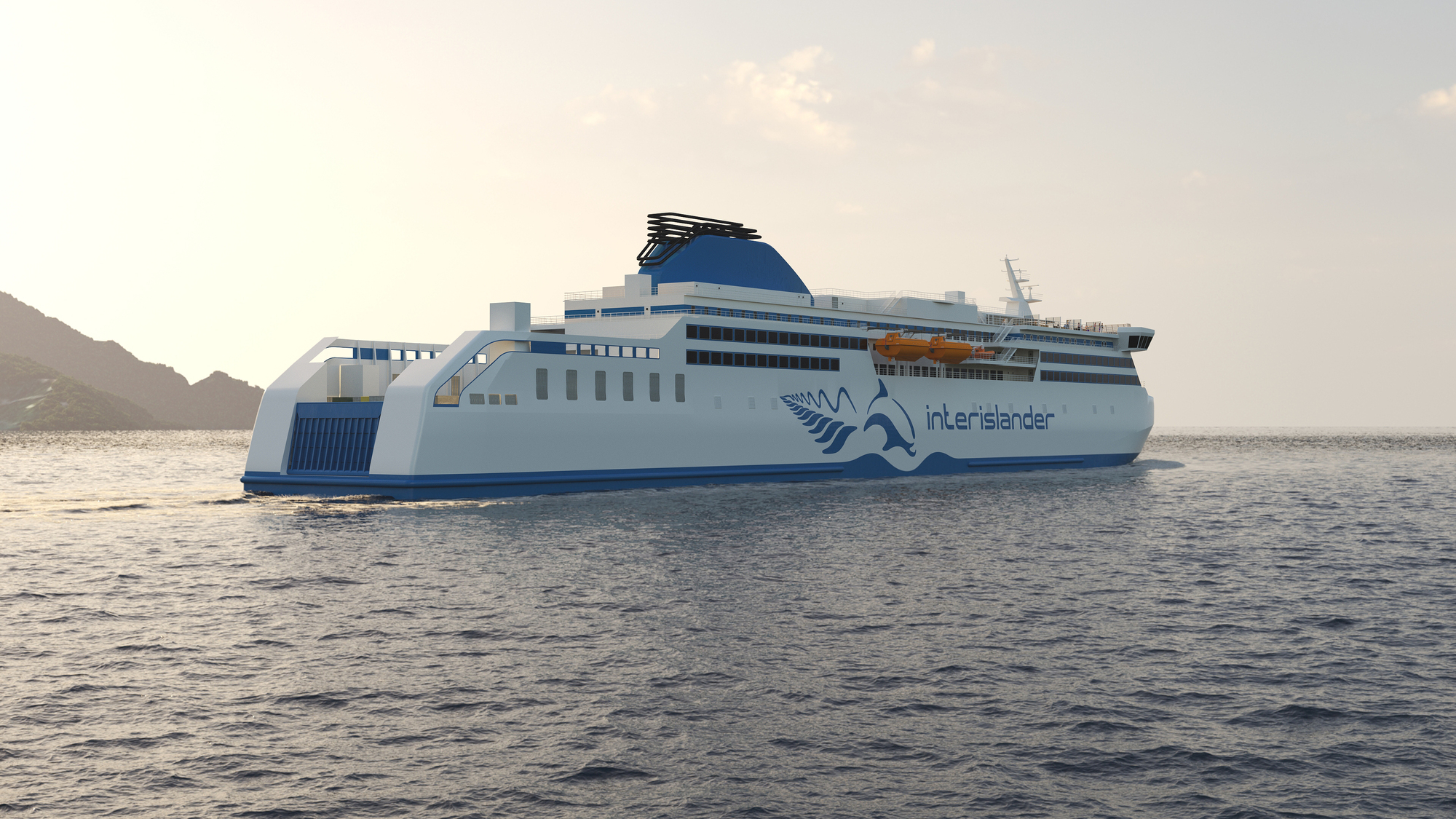
Port Marlborough Infrastructure Work Programme
Port Marlborough and Ferry Holdings are investing in new infrastructure to support the next generation of ferries and ensure safe, reliable, and efficient operations for passengers and freight.
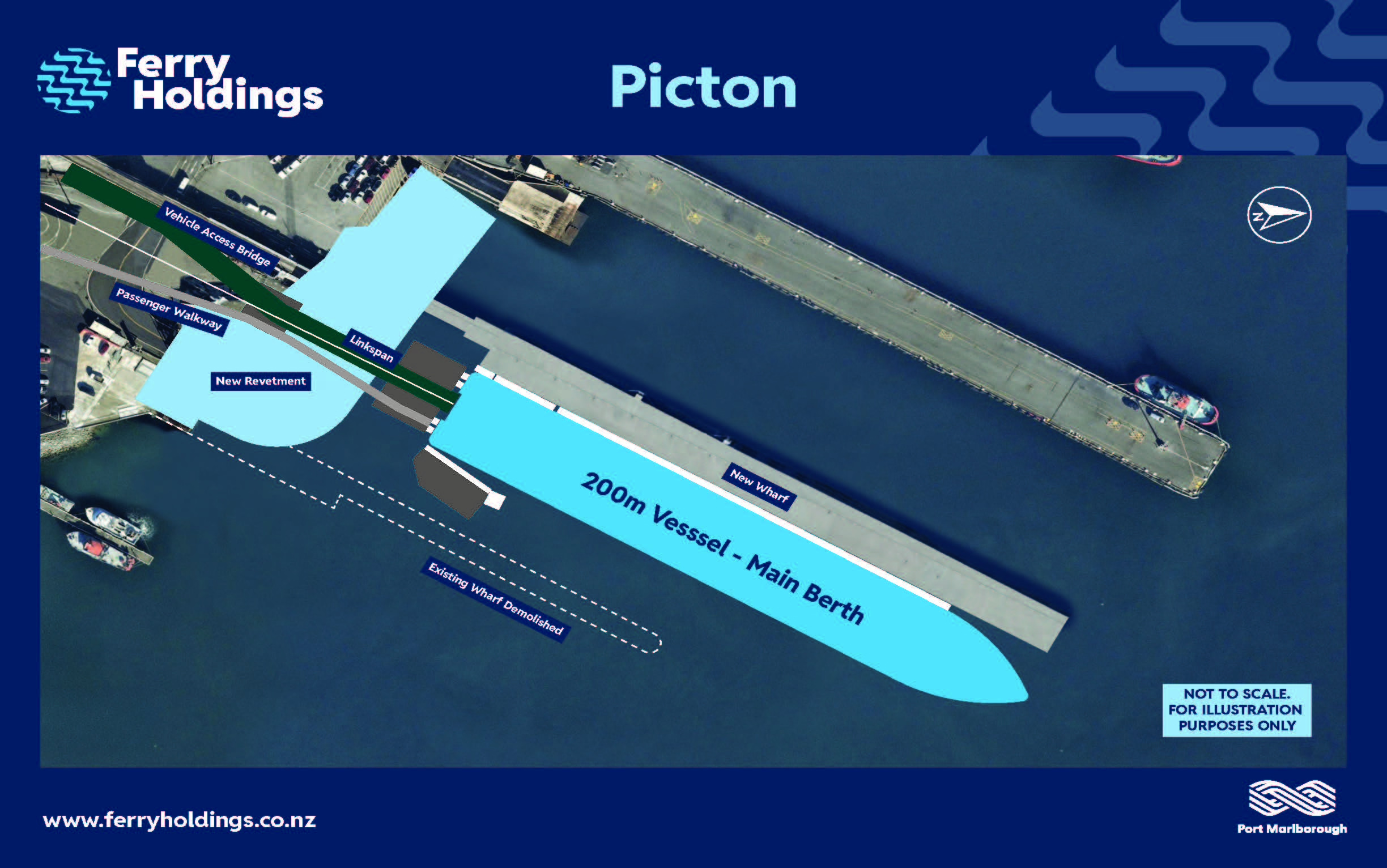
These upgrades will replace aging infrastructure, improve connectivity, and allow ferry and port operations to continue smoothly during construction.
Key works include
- Replacing end-of-life infrastructure: Some of Port Marlborough’s existing infrastructure has reached the end of its serviceable life and needs to be replaced. To support the arrival of new ferries, the port will construct a new wharf, a new linkspan, a vehicle access bridge, and a passenger walkway.
- Ferry Holdings is purchasing two new linkspans for both Port Marlborough and CentrePort. The procurement process for this infrastructure will be led by Port Marlborough.
- Defined scope of works: Port Marlborough has developed concept designs, and the scope of work is well defined for this stage of development. Details will be refined through ongoing design work.
- Transition infrastructure during construction: Temporary infrastructure will be put in place to allow the Interislander and other port activities to continue to operate during construction and in support of efficient construction methodologies.
Port Marlborough is partnering with KiwiRail and other stakeholders to design infrastructure solutions that support efficient ferry operations and help future-proof the port for regional growth.
For more information on the detailed Port Marlborough programme please visit their website.
CentrePort Infrastructure Work Programme
CentrePort and Ferry Holdings are upgrading Wellington’s port infrastructure to support future ferry services, balancing the reuse of existing assets with new construction to ensure safe, efficient, and future-ready operations.
These upgrades will enable CentrePort to accommodate new ships, improve passenger and freight connections, and support long-term growth—while working to minimise disruption to current port activities and cruise operations.
Key works include
-
Upgrading existing infrastructure: The existing terminal building will be retained, the current wharf and berthing pockets will be upgraded, and part of the vehicle access bridge will be retained to support future operations.
-
Building new infrastructure: A new dual-level linkspan, linkspan approach structure, and passenger walkway will be constructed to accommodate the new ships. Initial plans to reuse the existing linkspan and approach structure were found to be technically infeasible.
-
Ferry Holdings will purchase the new linkspan for CentrePort. The procurement process for this infrastructure will be led by Port Marlborough.
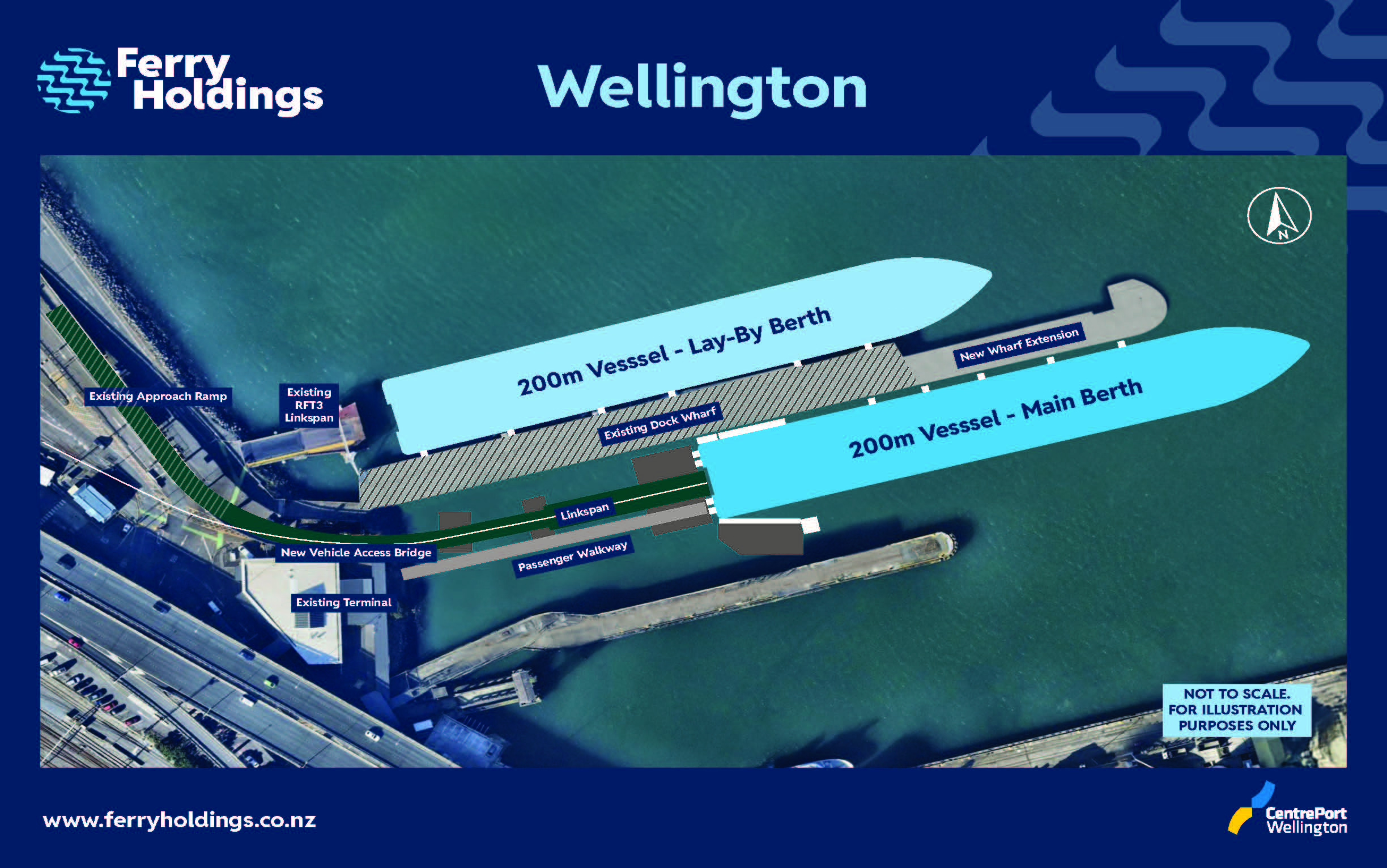
CentrePort is in the early design phase. Further work is underway to finalise the specifications for the linkspan, rail alignment, and the length of wharf extension required.
CentrePort is working closely with its key partners to develop solutions that meet operational needs while supporting long-term growth.
For more information on the detailed CentrePort programme of work please visit their website.
Delivering strong connections
KiwiRail Infrastructure Work Programme
KiwiRail and Ferry Holdings are investing in modest infrastructure upgrades to enable seamless integration of new ferry services and enhance operational efficiency across the Wellington and Picton terminals.
These improvements will reduce local traffic congestion, support more efficient freight and passenger movement, and ensure long-term resilience of New Zealand’s inter-island transport network.
Key works include
- Rail overbridge at Dublin Street, Picton: This enables more efficient port operations and reduces local traffic congestion.
- Terminal upgrades in Wellington and Picton: Modest but essential improvements to support rail operations linked to new ferry services.
KiwiRail will coordinate the delivery of these port infrastructure projects to ensure seamless integration and timely completion of all works in time for the introduction of the new ferries into service in 2029.
KiwiRail is working with its key partners to deliver land-based infrastructure to meet today’s operational demands but also lay the foundation for sustainable, long-term growth.
For more information on the detailed KiwiRail programme please visit their website.
Operational readiness
The key port infrastructure will be in place for 2029.
The infrastructure workstream will consider the impacts of climate change and environmental considerations as part of the infrastructure upgrade planning and delivery.